

Top Benefits of Using Dip Devices for Improved Performance and Efficiency
Dip Devices are a practical choice for users who want better performance, efficiency, and reliable control in everyday use. Designed for simplicity and consistency, Dip Devices help streamline operation while delivering dependable results across different applications. Whether you are improving productivity or looking for a more efficient setup, Dip Devices offer a smart balance of convenience, durability, and cost-effectiveness.
Table of Contents
ToggleIntroduction
Whether you’re involved in manufacturing, laboratory testing, industrial coating, electronics, or quality control, dip devices have become essential tools for improving productivity and maintaining consistent results. Businesses across various industries are investing in advanced dip devices because they streamline operations, minimize errors, and increase overall efficiency. As automation continues to transform workplaces worldwide, organizations are looking for reliable equipment that delivers repeatable performance while reducing labor-intensive tasks.
Unlike traditional manual dipping processes, modern dip devices are designed with precision engineering, programmable controls, and enhanced safety mechanisms. These innovations allow operators to achieve accurate coating depths, consistent immersion speeds, and reliable processing conditions every single time. The result is higher-quality output, reduced waste, and significant savings in operational costs. Companies that adopt these technologies often notice measurable improvements in production timelines and customer satisfaction.
Understanding What Dip Devices Are
A dip devices is specialized equipment designed to immerse an object, component, or material into a liquid for a controlled period before removing it at a specified speed. Depending on the industry, the liquid may be a protective coating, chemical solution, cleaning agent, testing medium, or adhesive. Modern dip devices use automated controls to ensure every dipping cycle follows identical parameters, producing consistent and repeatable results.
Industries That Commonly Use Dip Devices
These devices are commonly found in industries such as electronics manufacturing, medical equipment production, automotive coating, pharmaceuticals, food processing, and scientific laboratories. In electronics, for example, dip devices apply conformal coatings that protect sensitive circuit boards from moisture and dust. In laboratories, they assist researchers in conducting experiments that require precise immersion timing. In manufacturing, they help produce uniform finishes while minimizing material waste.
One of the biggest advantages of these systems is their ability to eliminate inconsistencies caused by manual handling. Even experienced operators may introduce slight variations in dipping speed or immersion depth, leading to uneven coatings or inconsistent testing results. Automated dip devices remove this uncertainty, enabling businesses to maintain high quality standards while increasing production capacity.
Why Dip Devices Are Growing in Popularity

Industries today face constant pressure to improve productivity while maintaining exceptional quality standards. Customers expect consistent products, regulatory agencies demand strict compliance, and businesses seek ways to reduce operational expenses. Dip devices help organizations meet these objectives by providing reliable automation without requiring complete production line redesigns.
Technological improvements have significantly increased the capabilities of modern dip devices. Many models now include programmable touch-screen interfaces, adjustable dipping speeds, digital timers, automatic drying sequences, and integration with smart manufacturing systems. These features make them easier to operate while providing greater flexibility for different production requirements.
Another reason for their popularity is sustainability. Businesses are increasingly focused on reducing waste and optimizing material usage. Automated dipping systems ensure precise application of coatings or chemicals, reducing excess consumption and minimizing environmental impact. This combination of cost savings, quality improvement, and environmental responsibility makes dip devices an attractive investment for organizations of every size.
Major Benefits of Using Dip Devices
Efficiency is often the primary reason businesses invest in Dip devices. Manual dipping requires constant operator attention, making it time-consuming and susceptible to fatigue-related errors. Automated systems perform repetitive tasks with consistent precision, allowing employees to focus on higher-value responsibilities.
Improved Operational Efficiency
Production cycles become faster because automated devices maintain optimal dipping speeds and processing times without interruptions. Manufacturers can process larger batches within shorter timeframes while maintaining identical quality across every product. This increased throughput enables companies to meet growing customer demand without proportionally increasing labor costs.
Businesses also benefit from improved workflow planning. Since automated dip devices operate predictably, managers can estimate production timelines more accurately. This predictability helps improve inventory management, scheduling, and overall operational efficiency, resulting in smoother business operations and enhanced profitability.
Enhanced Accuracy and Consistency
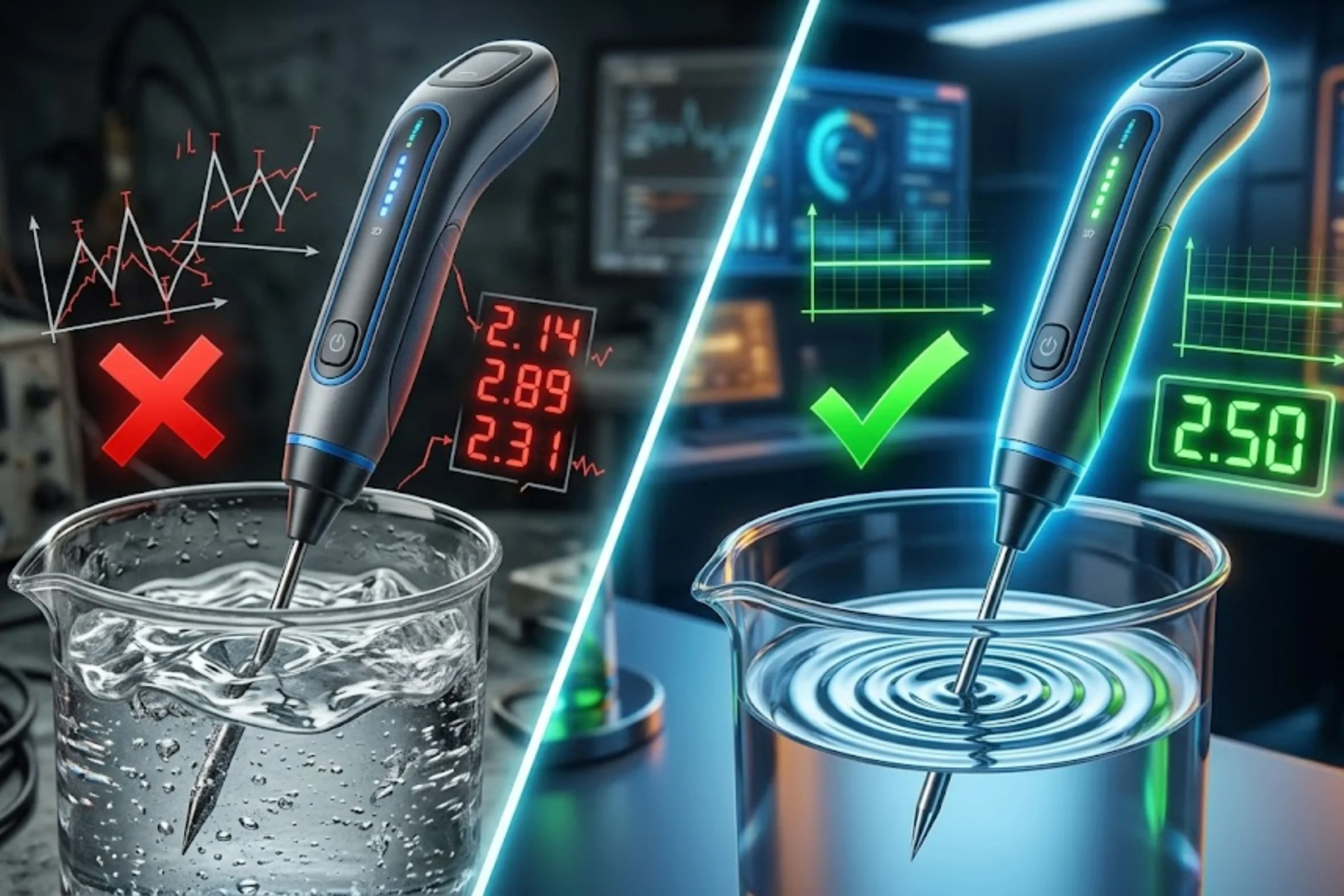
Consistency is critical in industries where even minor variations can affect product quality. Automated dip devices eliminate inconsistencies associated with manual operations by precisely controlling immersion depth, withdrawal speed, and processing duration.
For coating applications, uniform thickness improves durability, corrosion resistance, and aesthetic appearance. In laboratory environments, accurate immersion timing ensures experiments remain reproducible, which is essential for reliable research findings. Medical device manufacturers also rely on consistent coating processes to maintain strict quality standards and regulatory compliance.
The ability to produce identical results repeatedly strengthens customer confidence and reduces the likelihood of product recalls or warranty claims. Consistency ultimately contributes to a stronger brand reputation and improved customer satisfaction.
Reduced Operational Costs
Although purchasing a Dip devices requires an initial investment, the long-term financial benefits often outweigh the upfront expense. Automated systems reduce labor requirements, minimize material waste, and decrease the number of defective products requiring rework or disposal. Precise application of coatings and chemicals ensures businesses use only the necessary amount of material for each process. Reduced waste translates directly into lower production costs and improved resource utilization. Maintenance costs may also decrease because modern dip devices are designed for durability and reliable long-term performance. Improved efficiency also means higher production output using the same workforce. This increased productivity enhances profitability while allowing businesses to remain competitive in demanding markets.
Better Safety and Reliability
Many dipping processes involve chemicals, solvents, or heated liquids that may pose risks to workers. Automated dip devices reduce direct human contact with hazardous substances, creating a safer work environment.
Advanced safety features such as emergency stop functions, enclosed operating chambers, overload protection, and programmable operating limits help prevent workplace accidents. Employees spend less time performing repetitive manual tasks, reducing the risk of fatigue-related injuries and repetitive strain disorders.
Reliable operation also minimizes unexpected downtime. Many industrial-grade dip devices are built with robust components designed to withstand continuous operation in demanding environments. This reliability ensures production schedules remain on track while reducing costly interruptions.
Comparing Manual Methods vs. Dip Devices
Feature | Manual Dipping | Automated Dip Devices |
Accuracy | Moderate | Excellent |
Speed | Slow | High |
Consistency | Variable | Highly Consistent |
Labor Requirement | High | Low |
Material Waste | Higher | Lower |
Product Quality | Depends on Operator | Consistently High |
Safety | Moderate | Improved |
Long-Term Cost | Higher | Lower |
The comparison clearly demonstrates why many industries are transitioning toward automated Dip devices. While manual methods may still be suitable for small-scale operations, automation offers significant advantages for organizations focused on scalability, quality, and efficiency.
Choosing the Right Dip Device
Selecting the appropriate dip device depends on the intended application, production volume, and operational requirements. Businesses should evaluate several important factors before making a purchasing decision.
First, consider the required dipping capacity and immersion depth. Different industries require varying sizes and configurations depending on the products being processed. Speed control is another essential feature, especially for applications requiring precise coating thickness or testing procedures.
Maintenance Best Practices
Programmable controls offer greater flexibility by allowing operators to store multiple process settings for different products. Integration with existing production equipment can further improve workflow efficiency, making automation even more valuable. Build quality, maintenance requirements, and manufacturer support should also be carefully evaluated to ensure long-term reliability.
Regular maintenance is equally important. Cleaning the equipment after use, inspecting moving components, calibrating sensors, and replacing worn parts when necessary help maximize performance while extending equipment lifespan.
Future Trends in Dip Device Technology
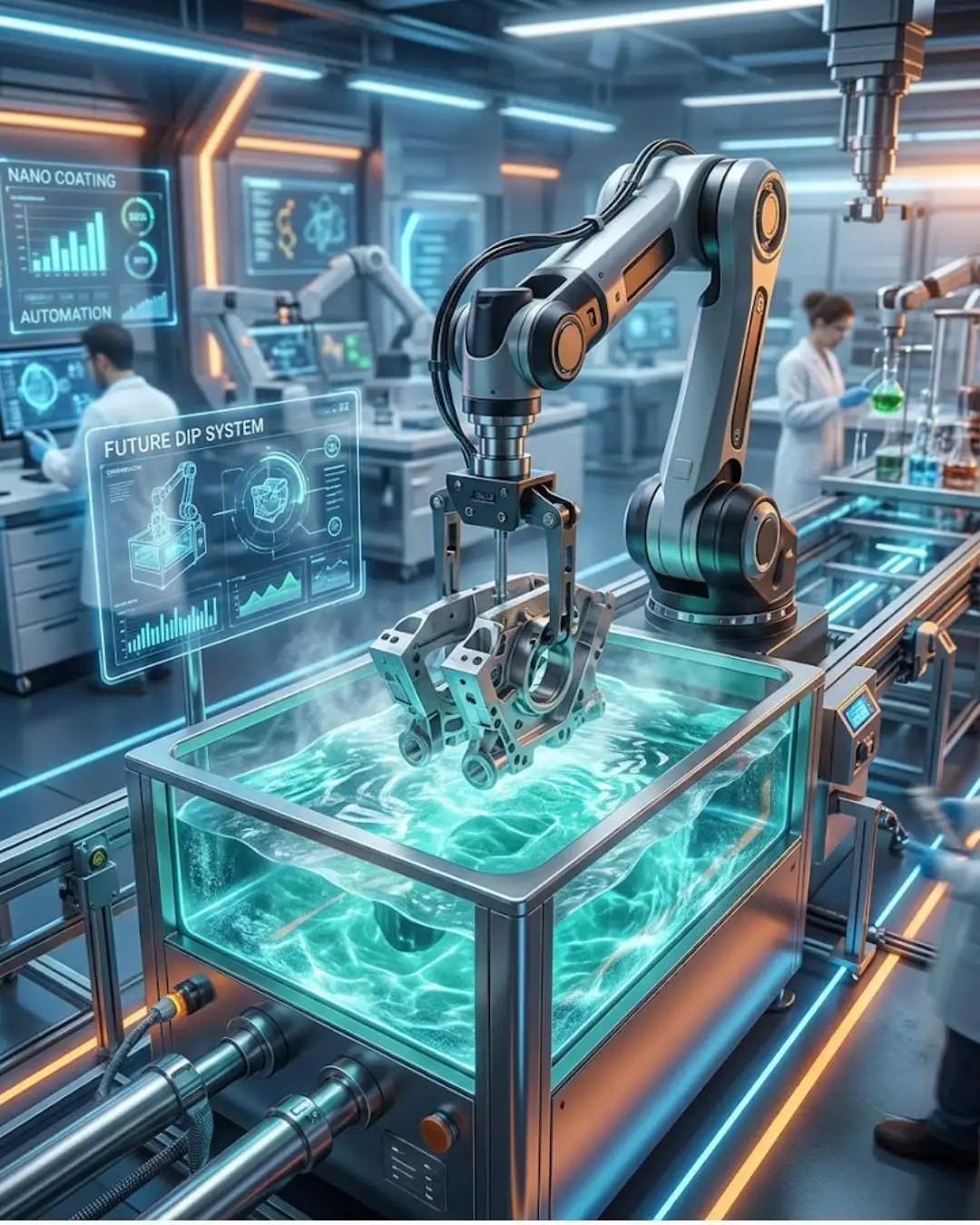
The future of Dip devices is closely connected to the broader evolution of industrial automation and smart manufacturing. Artificial intelligence, machine learning, and Industrial Internet of Things (IIoT) technologies are beginning to transform how these systems operate.
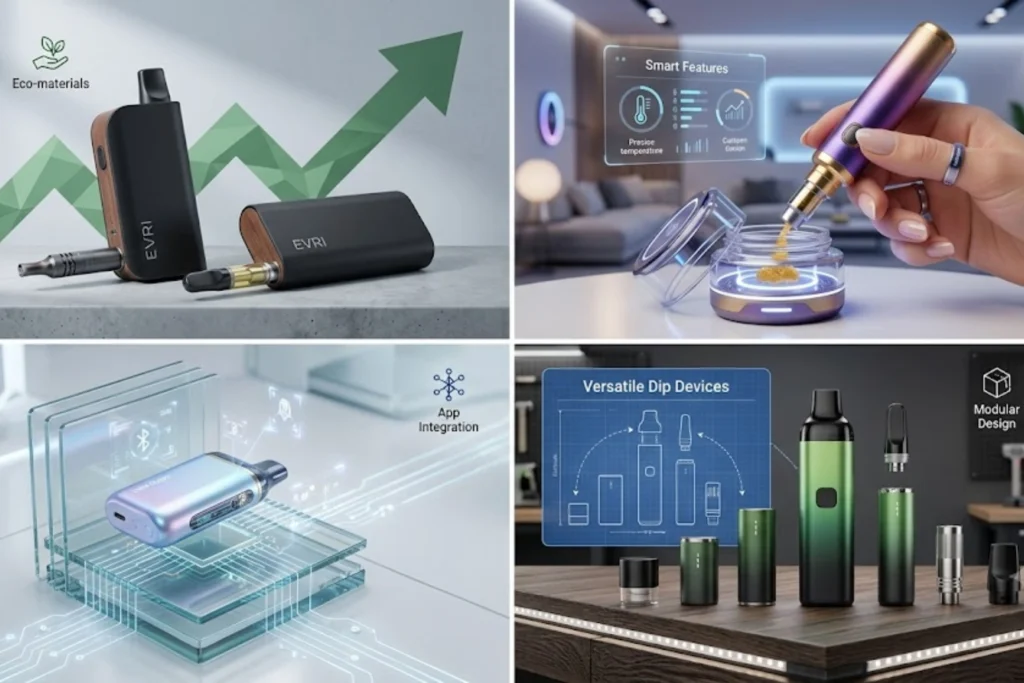
Smart dip devices can monitor performance in real time, detect maintenance requirements before failures occur, and automatically optimize operating parameters for maximum efficiency. Cloud connectivity enables production managers to monitor equipment remotely, analyze productivity data, and identify opportunities for process improvements.
Automation and Smart Integration
Sustainability will also remain a major focus. Future designs are expected to consume less energy, reduce material waste even further, and support environmentally friendly manufacturing practices. As industries continue embracing digital transformation, intelligent dip devices will become increasingly important for maintaining competitiveness in global markets.
Conclusion
Dip devices have become indispensable tools for organizations seeking greater productivity, precision, and operational efficiency. Their capacity to automate repetitive dipping procedures eliminates material waste, increases workplace safety, lowers labor needs, and improves consistency. Whether used in manufacturing, laboratories, medical production, or industrial coating applications, these systems deliver measurable improvements that contribute directly to higher product quality and lower operating costs.
As automation technologies continue advancing, dip devices will become even smarter, more connected, and more efficient. Businesses investing in these solutions today position themselves for long-term growth while meeting increasing customer expectations for quality and reliability. Selecting the right equipment and maintaining it properly ensures organizations maximize the return on their investment for years to come.
Frequently Asked Question
A. Dip devices are used to immerse products or materials into liquids for coating, cleaning, testing, chemical treatment, or other industrial and laboratory applications.
A. They automate repetitive tasks, maintain consistent processing parameters, reduce human error, and increase production speed while lowering labor requirements.
A. Yes, Many manufacturers offer compact and affordable models designed specifically for small-scale production and laboratory applications.
A. Industries including electronics, automotive, pharmaceuticals, medical devices, laboratories, aerospace, and manufacturing commonly benefit from automated dip devices.
A. Maintenance schedules depend on usage and manufacturer recommendations, but regular cleaning, inspection, calibration, and preventive servicing help ensure optimal performance and longer equipment life.
Related Post