

Resources
category
6ac44a6e98cc0
0
0
1
Loading....
Top Benefits of Exploring Solar and Battery Solutions from EcoFlow UK
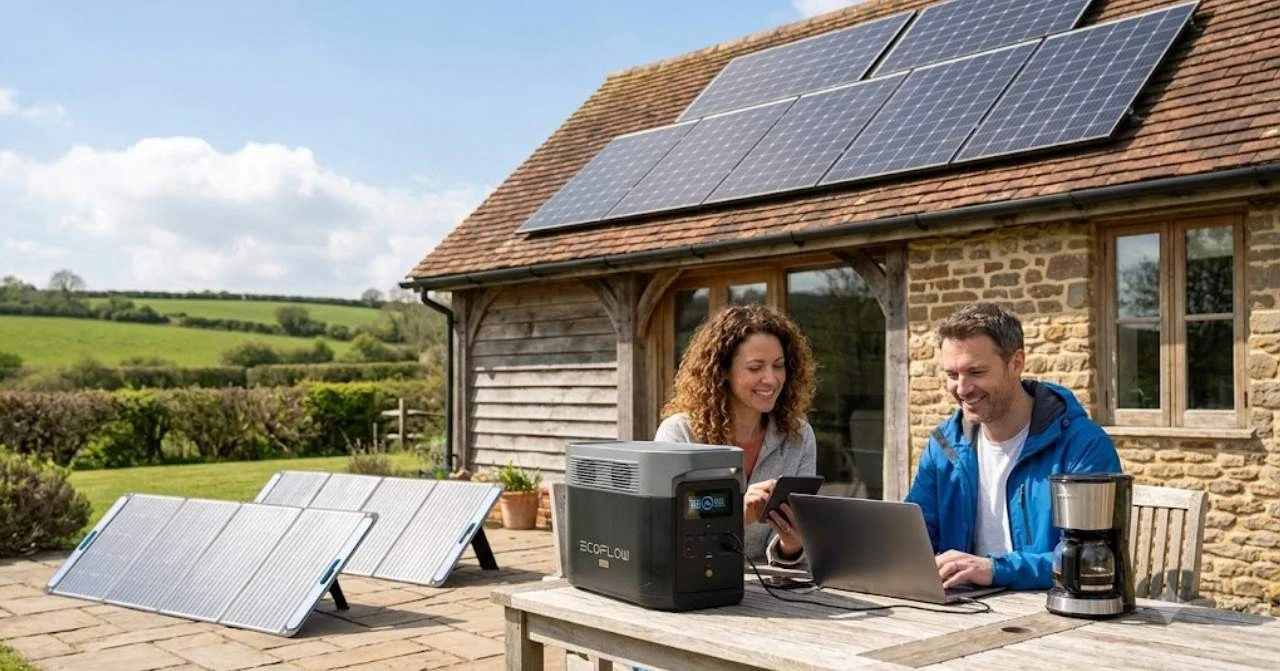
Explore smarter, more flexible energy options with EcoFlow UK solar and battery solutions. Designed for homeowners, travellers, and anyone seeking dependable backup power, EcoFlow UK helps turn sunlight into usable electricity when it matters most. Solar panels generate renewable energy during the day, while compatible battery storage captures surplus power for use in the evening, during peak-rate periods, or when the grid is unavailable. This can reduce reliance on traditional electricity supplies, improve energy independence, and support more sustainable everyday living.
Table of Contents
ToggleIntroduction
Solar energy is becoming an increasingly practical option for UK households looking to take greater control over their electricity use. However, solar panels only generate electricity when there is sufficient daylight, while household demand often rises during the morning and evening. This is where battery storage can make a significant difference. EcoFlow UK solar and battery solutions combine energy generation, storage, monitoring, and backup capabilities to create a more flexible approach to home energy management.
From storing surplus solar power to preparing for unexpected outages, modern battery technology can provide several practical advantages. EcoFlow offers both portable power stations and larger residential systems, allowing homeowners to explore solutions according to their energy requirements. Here are the key benefits worth considering.
Make Better Use of Solar Energy
One of the biggest advantages of pairing solar panels with a battery is the ability to store excess electricity generated during the day. Solar production can be highest around midday, but many households use more electricity after work or school when solar generation is falling. Instead of relying entirely on grid electricity during those evening hours, stored solar energy can potentially be used later.
The Energy Saving Trust explains that batteries can store surplus solar electricity for later use, helping households increase their use of self-generated energy. EcoFlow UK PowerOcean range is designed around this concept, combining solar generation and battery storage with energy-management technology. This makes a battery particularly interesting for homeowners who already have solar panels or are planning to install them.
Reduce Dependence on Grid Electricity
A solar-battery system can give homeowners more control over where their electricity comes from. During periods of strong solar generation, the home can use available solar power, while surplus energy can be stored for later. When solar production decreases, the battery may provide electricity before additional energy needs to be purchased from the grid.
This does not necessarily mean becoming completely independent of the electricity grid. Instead, it can mean reducing the amount of electricity purchased from the grid at certain times. The actual level of energy independence depends on solar-panel capacity, battery size, household consumption, weather, and energy-management settings. For households interested in greater energy control, this combination can be more useful than solar panels alone.
Have Backup Power During Outages
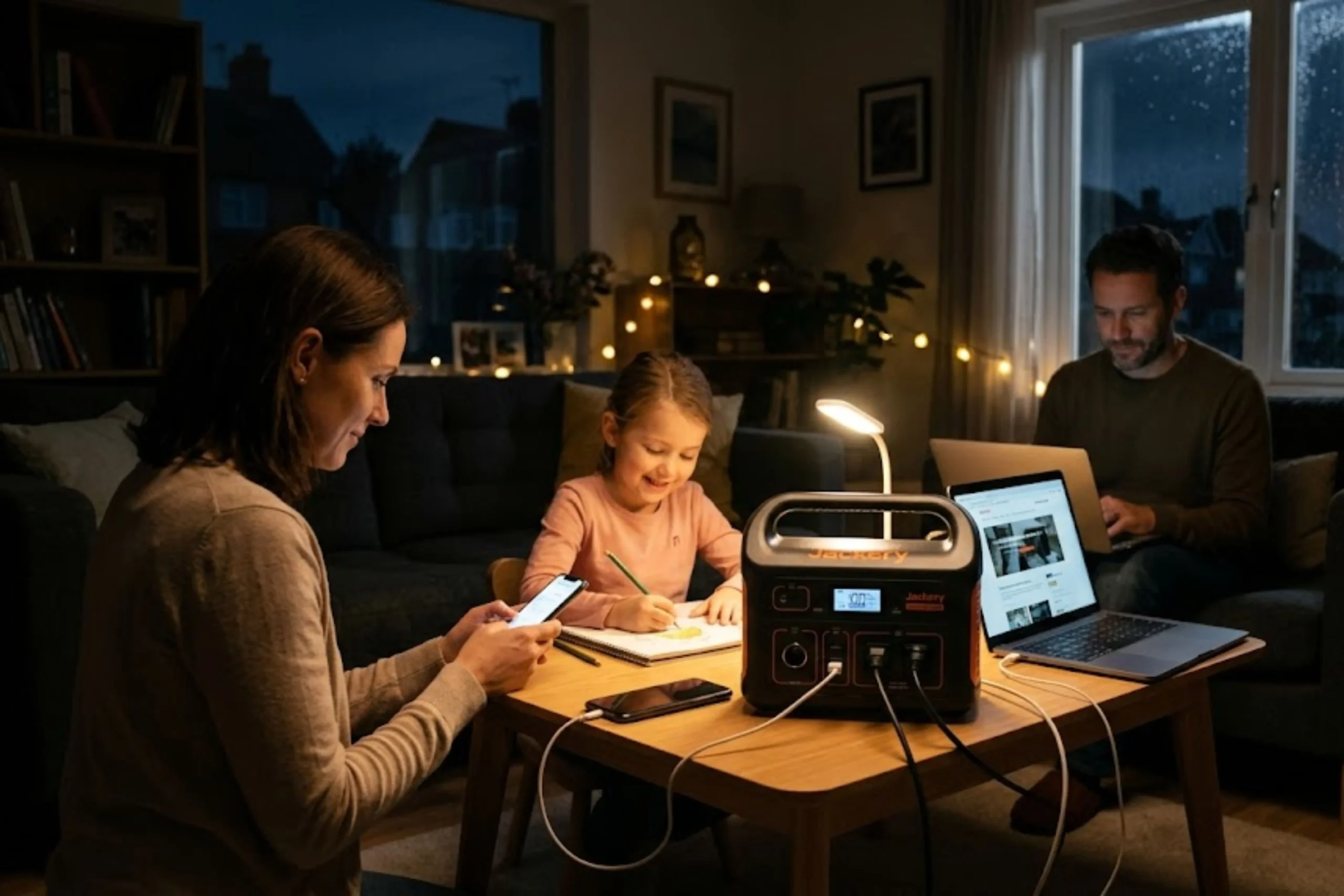
Power cuts can be inconvenient, particularly when they affect refrigeration, lighting, internet equipment, computers, heating controls, or other important household devices. Battery systems can provide another layer of resilience when configured for backup operation.
EcoFlow UK is PowerOcean residential systems include backup functionality, while products in the DELTA range are designed for portable and home backup applications.
However, backup performance depends on the specific model and installation. A battery’s total capacity does not automatically mean that every appliance in the house can operate simultaneously during an outage. Homeowners should identify essential loads and work with a qualified installer to determine appropriate electrical configuration.
Choose From Different Energy Storage Options
Every household has different electricity requirements. A small property with modest consumption does not necessarily need the same battery capacity as a large home with an electric vehicle, heat pump, or several high-power appliances.
EcoFlow’s UK portfolio includes portable power stations such as the DELTA series as well as fixed residential storage systems such as PowerOcean. Its PowerOcean product range includes different capacity and output configurations, allowing homeowners to investigate systems according to their requirements.
This variety is useful because battery storage is not a one-size-fits-all purchase. Capacity, output, installation type, portability, expansion options, and solar input should all be considered before choosing a system.
Monitor Energy Through Smart Technology
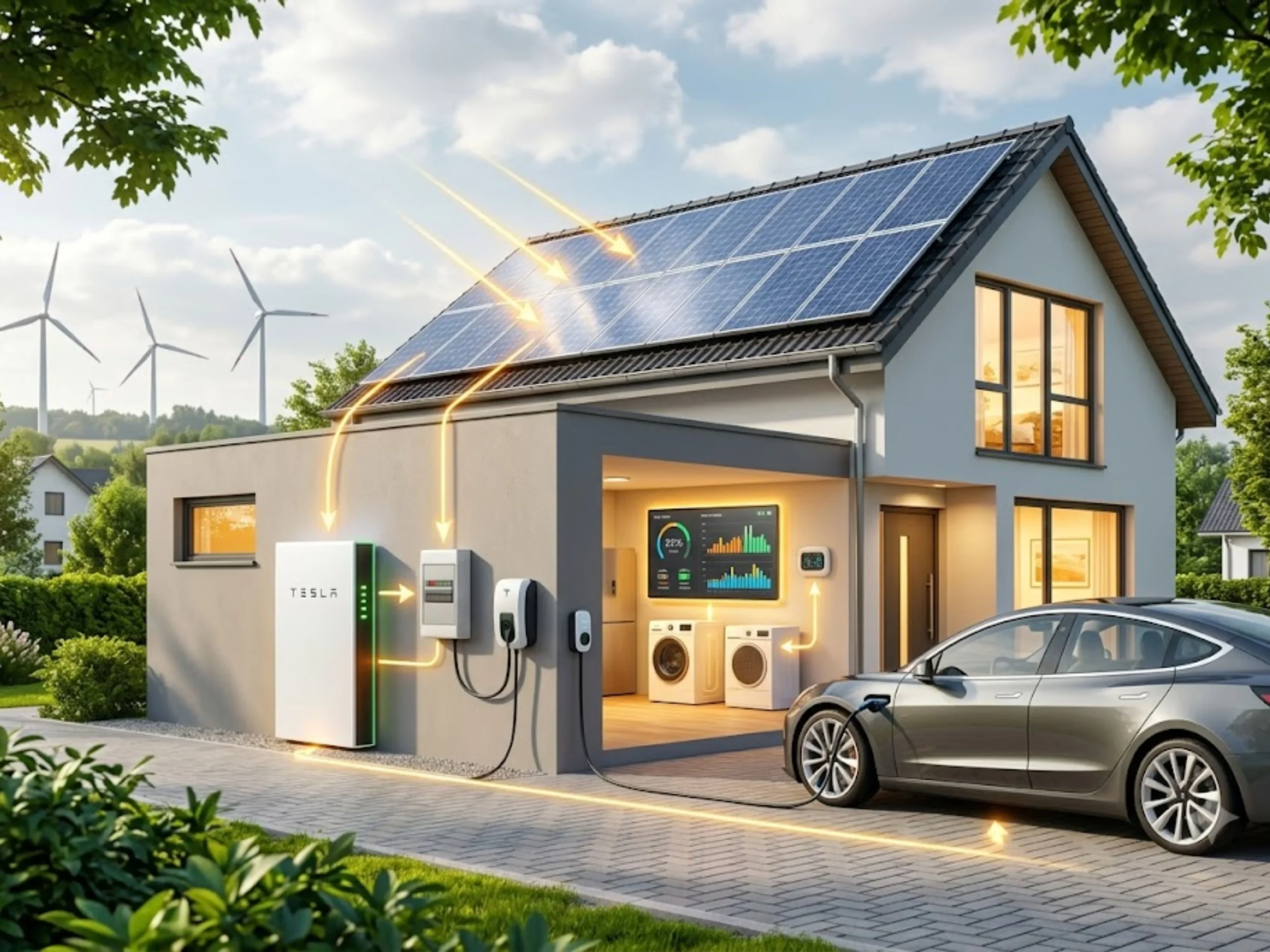
Modern energy storage is about more than hardware. Monitoring technology can help homeowners understand how electricity moves through their property. EcoFlow UK is app provides information relating to energy generation, household consumption, battery status, and other energy-management information.
Why is this useful? Imagine discovering that your solar panels regularly generate more electricity than your home uses at lunchtime. You might then adjust certain energy habits to make better use of that generation. Similarly, understanding evening consumption can help when deciding how much battery storage is appropriate. Visibility turns electricity consumption from something largely invisible into something homeowners can monitor and understand.
Take Advantage of Flexible Energy Management
Battery storage can also work alongside electricity tariffs that vary according to the time of day. Some UK tariffs offer cheaper electricity during selected periods, creating opportunities for households to shift when they consume or store energy.
The Energy Saving Trust notes that batteries can be used with time-of-use tariffs, allowing electricity to be stored when prices are lower and used later when prices are higher. EcoFlow’s connected energy-management features can help users monitor and manage these patterns. The exact financial benefit depends on the tariff, household usage, battery efficiency, and operating strategy, so savings should always be calculated using real household data rather than advertised assumptions.
Explore Scalable Storage
Energy requirements can change over time. A household might initially install solar panels for everyday electricity use and later purchase an electric vehicle or add other electricity-consuming equipment.
A scalable battery system can provide more flexibility for these changing requirements. EcoFlow UK describes PowerOcean systems with expandable storage configurations, while compatible DELTA systems can also be expanded using additional batteries. Expansion should still be planned carefully. Available space, inverter limitations, electrical requirements, compatible components, and installation costs all matter. Scalability is most useful when it forms part of a realistic long-term energy plan.
Benefit From LFP Battery Technology
Battery chemistry is another important consideration. EcoFlow uses lithium iron phosphate (LFP) battery technology in products including the DELTA Pro 3 and PowerOcean systems. The DELTA Pro 3 specifications list a 4,096Wh capacity and up to 4,000 cycles to 80% capacity under stated conditions.
Battery performance should not be judged by cycle count alone. Temperature, charging behaviour, discharge depth, usage patterns, installation conditions, and other factors can influence real-world performance. Buyers should therefore examine the complete warranty, specifications, installation requirements, and expected operating conditions.
Support Future Energy Requirements
A home energy system can become more valuable as electricity demand evolves. Electric vehicles, heat pumps, home offices, induction cooking, and other technologies can all change household consumption patterns. EcoFlow UK is broader energy ecosystem connects areas such as solar generation, battery storage, EV charging, and smart energy management.
This does not mean every household needs to purchase every component. Instead, it highlights the importance of considering future compatibility before investing in a major energy system. A system designed with future needs in mind can provide greater flexibility than one selected only around today’s electricity consumption.
Understand the Financial Potential
Battery storage involves an upfront investment, so understanding the financial side is essential. The potential value depends on electricity prices, solar generation, household consumption, battery capacity, installation costs, export payments, tariffs, and system efficiency.
The Energy Saving Trust notes that battery costs vary significantly according to capacity and installation, and that savings depend on individual circumstances.
The UK’s Smart Export Guarantee also provides a framework through which eligible renewable generators can receive payments for electricity exported to participating suppliers. Because every household is different, homeowners should calculate potential savings using their own electricity bills, solar generation estimates, tariff rates, and expected battery usage rather than assuming a fixed payback period.
Portable Versus Home Battery Solutions
EcoFlow’s range also demonstrates that energy storage can serve different purposes. Portable power stations can be useful for temporary backup, travel, outdoor activities, workshops, or home offices. Larger residential battery systems are designed for more permanent energy management and integration with solar installations.
For example, the DELTA Pro 3 has a listed 4,096Wh capacity and supports up to 2,600W of solar input. Residential PowerOcean systems, meanwhile, are designed around home solar storage and energy management. The right option therefore depends on the actual objective. Portability may matter most for one household, while solar self-consumption and whole-home backup may matter more for another.
What Should You Consider Before Buying?
Before choosing EcoFlow UK solar and battery solutions, begin by understanding your current electricity consumption. Look at how much electricity you use, when you use it, whether you already have solar panels, and whether your electricity tariff changes during the day.
You should also consider:
- Required battery capacity and usable capacity
- Solar-panel generation
- Backup requirements
- Available installation space
- Maximum power output
- Future EV or heating requirements
- Electricity tariff structure
- Export arrangements
- Warranty and expected lifespan
- Installation and maintenance requirements
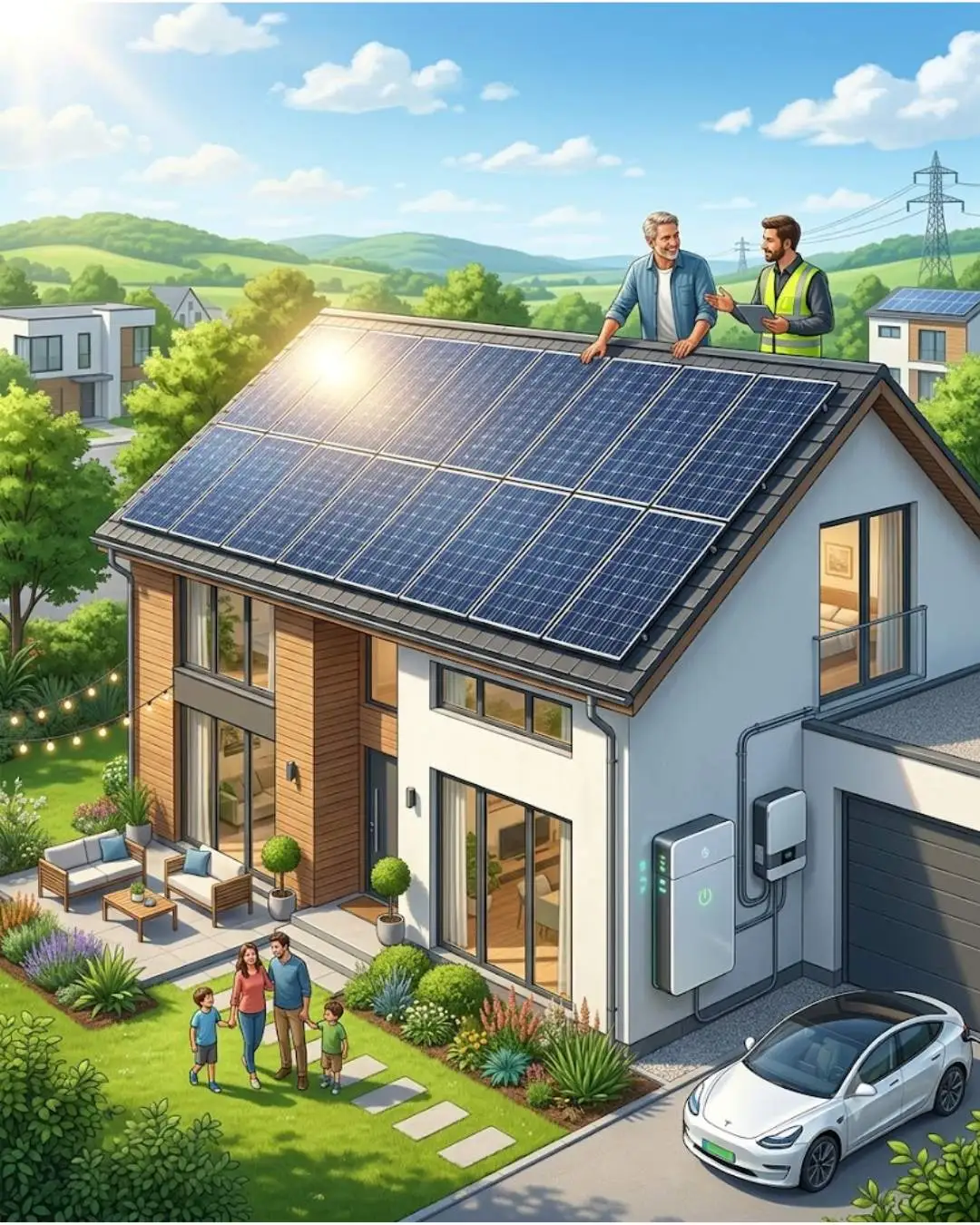
For fixed home installations, professional assessment is particularly important. The Energy Saving Trust recommends obtaining quotes from experienced installers and checking relevant certification when installing battery storage.

Conclusion
Exploring solar and battery solutions from EcoFlow UK can provide homeowners with a more flexible way to manage electricity. Solar panels can generate renewable energy, while batteries can store surplus generation and make that energy available at other times. Smart monitoring can provide greater visibility into household consumption, while backup functionality can add resilience during power interruptions.
EcoFlow’s portfolio covers different applications, from portable DELTA power stations to larger PowerOcean residential systems. The right choice depends on household consumption, solar generation, budget, installation conditions, backup requirements, and future energy plans.
Rather than choosing a battery simply because it offers the largest capacity, homeowners should consider how the system will actually be used. A carefully planned solar and battery setup can become an important part of a modern home’s energy strategy, particularly for households seeking greater flexibility, improved solar self-consumption, and additional backup capability.
Frequently Asked Question
A. The main benefit is the ability to store surplus solar electricity and use it later when solar generation is lower. This can help increase the amount of self-generated electricity used by the household.
A. Yes, selected EcoFlow products support backup applications. The exact capability depends on the model and installation configuration, so essential household loads should be assessed by a qualified professional.
A. No, The appropriate capacity depends on electricity consumption, solar generation, tariff structure, backup requirements, available space, and budget. An oversized battery may not provide the best economic outcome.
A. EcoFlow offers systems specifically designed for solar and battery storage, as well as portable power stations capable of solar charging. Compatibility depends on the particular equipment and configuration.
A. They can be, but the financial outcome varies between households. Electricity usage, solar generation, tariffs, export payments, installation costs, battery efficiency, and system lifespan all influence potential savings.
Related Post