

World Of Warships Beginner's Guide: Everything New Players Need to Know
World Of Warships is an epic naval combat game where players command historic warships in strategic team-based battles across the seas. This essential beginner’s guide covers everything new players need to know about World Of Warships, including how to start with US or Japanese ships, master basic tactics like positioning and angling, and optimize your early gameplay by avoiding rushed tier progression while building commander skills.
Table of Contents
ToggleIntroduction
Jumping into World of Warships for the first time can feel like stepping onto the deck of a massive warship in the middle of a storm. There are cannons firing, ships maneuvering, aircraft flying overhead, and a battlefield that feels both slow and intense at the same time. Developed around tactical naval combat, the game rewards patience, positioning, and smart decision-making more than fast reflexes alone.
What makes this game stand out is how it blends realism with arcade-style accessibility. You are not just pressing buttons—you are commanding a war machine that behaves like a floating city. Every ship has weight, turning inertia, firing arcs, and strategic roles that matter deeply in battle. Understanding these elements is the first step toward enjoying the game instead of feeling overwhelmed by it.
What Makes the Game Unique & Basic Gameplay Overview
Unlike typical shooters, World of Warships focuses heavily on long-range engagements and tactical movement. You don’t rush into enemies; you plan your approach like a chess player thinking several moves ahead. Battles take place on large maps where positioning often decides victory before the first shot is even fired.
Each ship class plays a unique role, and success depends on coordination rather than individual hero plays. A veteran player once said, “You don’t win by shooting first—you win by shooting smart.” That idea defines the entire experience.
Key Features of World Of Warships
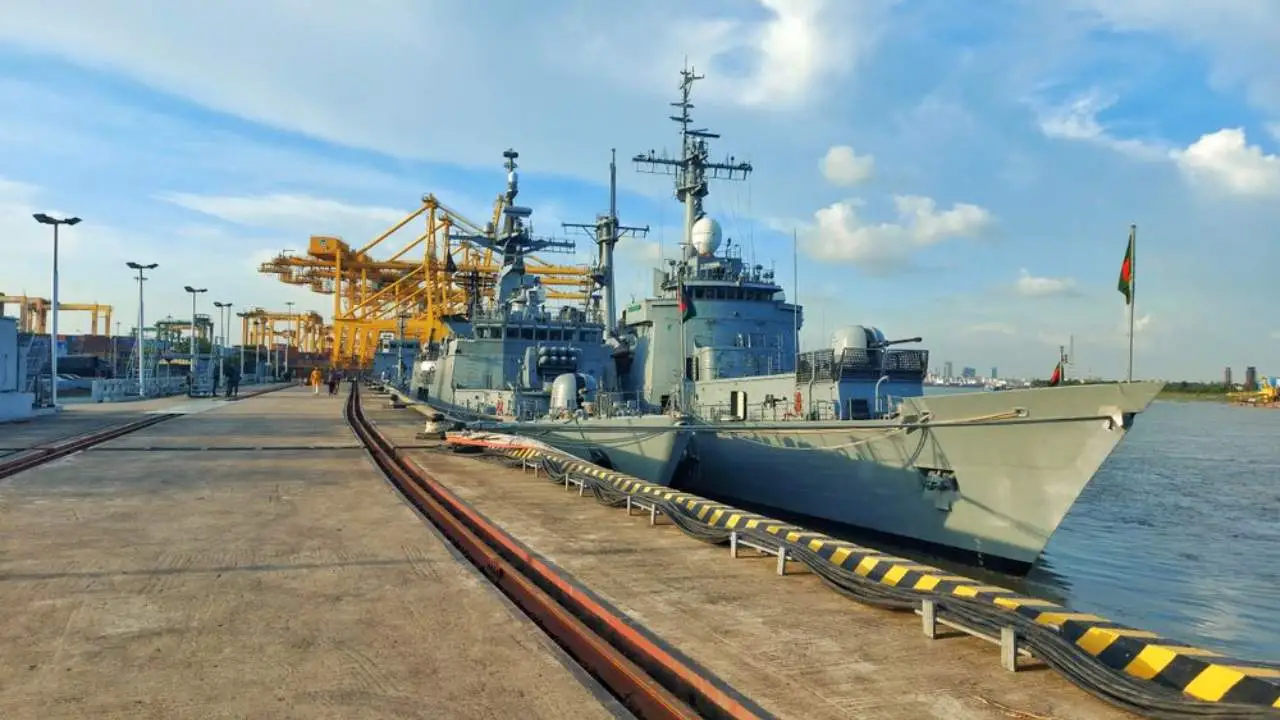
1. Getting Started as a New Player
When you first enter the game, the number of ships, nations, and upgrade paths can feel overwhelming. But starting small is key. World of Warships The early game is designed to ease you into mechanics gradually, allowing you to learn without pressure.
2. Choosing Your First Nation
Each nation in the game offers a slightly different playstyle. Some focus on firepower, others on speed or stealth. For beginners, nations like the USA or Japan are often recommended because they provide balanced ships that teach core mechanics effectively.
American ships generally offer consistency and durability, making them forgiving for new players. Japanese ships, on the other hand, often emphasize speed and torpedoes, encouraging a more tactical and stealth-based approach. Choosing the right nation early helps shape your learning experience.
Understanding Ship Classes
There are four primary ship classes, and understanding them is essential for success. Each class behaves like a piece in a larger strategic puzzle. Destroyers are fast and stealthy, cruisers are balanced support units, battleships are heavy damage dealers, and aircraft carriers control the battlefield from afar.
Learning how these roles interact is crucial. For example, destroyers scout enemies, cruisers provide flexible support, battleships deal heavy damage, and carriers provide air superiority. When these roles work together, World of Warships a team becomes significantly stronger.
Destroyers and Their Role
Destroyers are the fastest and most agile ships in the game. They are often responsible for scouting enemy positions and launching surprise torpedo attacks. Their small size makes them harder to detect, but also more fragile in direct combat.
Playing a destroyer feels like being a hunter in the shadows. You rely on stealth, map awareness, and timing rather than brute force. A common beginner mistake is engaging too early. World of Warships Instead, destroyers should observe, flank, and strike when enemies least expect it.
Cruisers Explained
Cruisers are the most versatile ship class. They balance speed, firepower, and durability, making them ideal for new players who want flexibility. They can engage destroyers, support battleships, and even defend against aircraft.
Cruisers often act as the backbone of a fleet. They are not the strongest in any one category, but they excel in adaptability. This makes them perfect for learning how different combat situations unfold during battles.
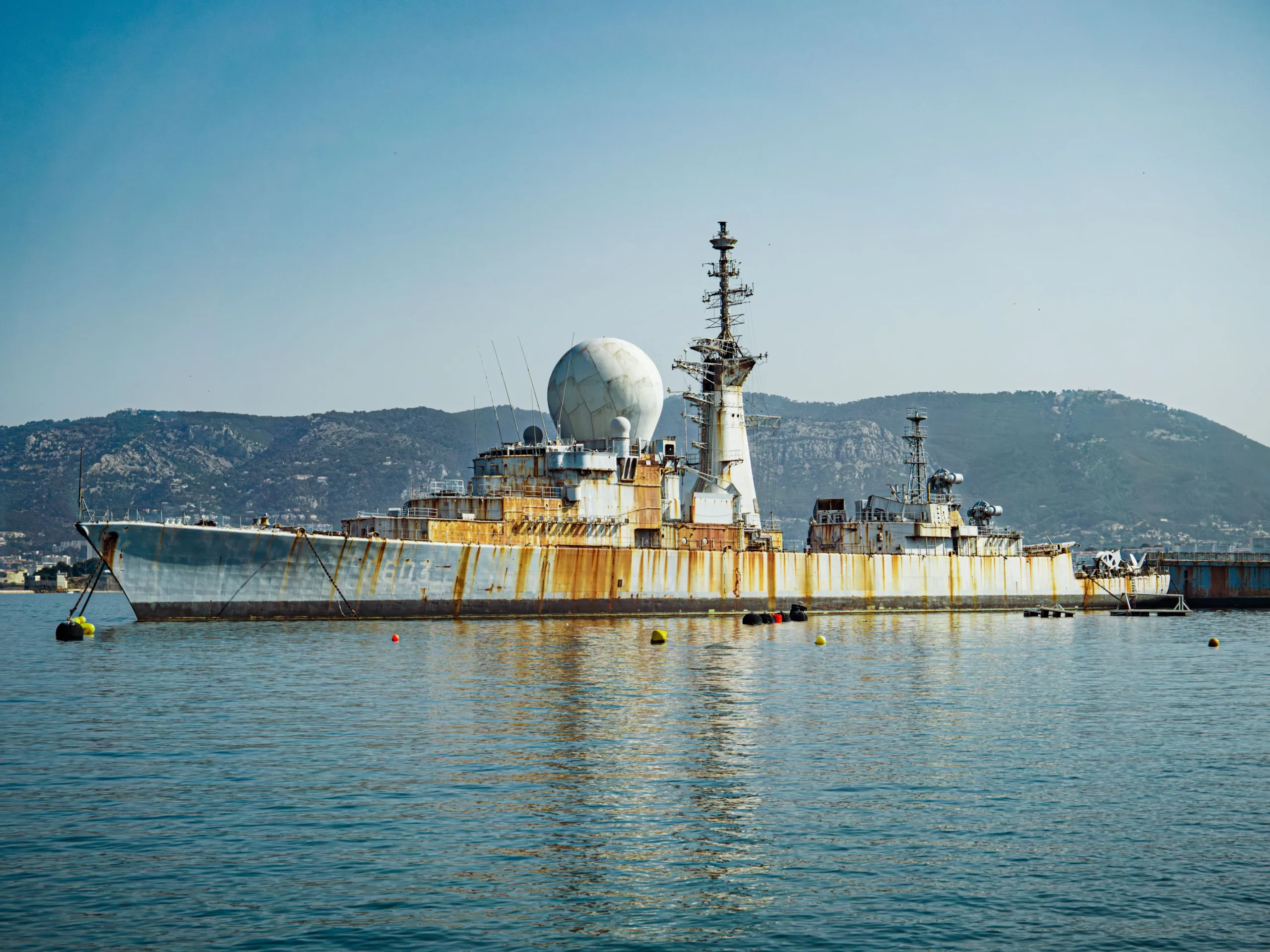
Battleships Explained
Battleships are the giants of the sea. They carry massive guns capable of dealing devastating damage from long distances. However, their slow speed and large turning radius make them vulnerable to faster ships.
Playing a battleship requires patience. World of Warships You must position carefully and avoid overextending. Think of battleships as floating artillery platforms—powerful, but dependent on proper support from teammates.
Aircraft Carriers Explained
Aircraft carriers introduce a completely different gameplay style. Instead of directly firing weapons, you control squadrons of aircraft that attack enemies from above. This gives carriers a strategic overview of the entire battlefield.
Carriers are powerful but complex. They require multitasking and strong map awareness. A skilled carrier player can influence battles across the entire map without ever directly engaging enemy ships.
Core Game Mechanics
Understanding core mechanics is what separates beginners from competent players. World of Warships Movement, firing angles, and detection systems all play a major role in survival and success.
The game is not just about shooting—it’s about predicting enemy movement, managing distance, and positioning your ship in ways that maximize your strengths while minimizing exposure.
Movement and Positioning
Ships move slowly compared to other games, so every decision matters. Turning too late or sailing too far forward can leave you exposed.
Good players constantly adjust their position based on enemy movements. They use islands for cover, maintain optimal firing distances, and avoid unnecessary risks.
Combat and Targeting
Combat in World of Warships requires precision and patience. Shell travel time means you must aim ahead of moving targets. World of Warships Understanding enemy speed and direction is essential.
Instead of firing rapidly, players often wait for the perfect moment to deliver a well-placed volley. This makes combat feel more strategic than chaotic.
Upgrades and Progression
Captain Skills
Captain skills allow you to improve specific aspects of your ship, such as firing accuracy, concealment, or repair speed. Choosing the right skills can significantly impact performance.
Experienced players often tailor their captains to match their ship class and role. This adds another layer of strategy to the game.
Modules and Equipment
Modules are ship enhancements that improve performance in areas like speed, armor, or weapon systems. Selecting the right combination can make a noticeable difference in battle.
A well-upgraded ship often performs far better than a higher-tier ship without proper upgrades, making modules essential for competitive play.
Economy and Resources
The in-game economy revolves around credits, experience points, World of Warships and special currencies. Managing these resources efficiently ensures steady progression.
Players earn rewards based on battle performance, encouraging skillful play rather than random actions. Spending wisely on upgrades and ships is crucial for long-term success.
Common Beginner Mistakes
New players often make predictable mistakes such as rushing into battles, ignoring positioning, or misusing their ship class. Another common issue is overextending without support.
One veteran player summarized it well: “The biggest enemy in World of Warships isn’t the opponent—it’s your own impatience.” Learning to stay calm and deliberate is key.
Pro Tips for Fast Improvement
Improving quickly requires focus and discipline. Watching experienced players, studying map layouts, and learning ship mechanics can accelerate progress significantly.
Some useful habits include staying near allies, avoiding unnecessary risks, and practicing aiming techniques regularly. Over time, these habits become second nature.


Conclusion
World of Warships offers a deep and rewarding experience once you understand its mechanics. It is not a game of speed but a game of strategy, patience, and awareness. Every battle teaches something new, and every mistake becomes a lesson for future success.
Mastering ship roles, learning positioning, and understanding progression systems will dramatically improve your performance. Once these fundamentals click, the game transforms from confusing to incredibly satisfying.
Frequently Asked Question
A. Yes, the early tiers are designed to help new players learn mechanics gradually without overwhelming complexity.
A. Cruisers are generally the best starting point because they balance speed, firepower, and durability.
A. No, the game is free-to-play. However, premium items can speed up progression.
A. USA and Japan are commonly recommended due to balanced ship designs and learning-friendly progression.
A. Basic proficiency can be achieved in a few weeks, but mastery takes consistent practice over time.
Related Post