
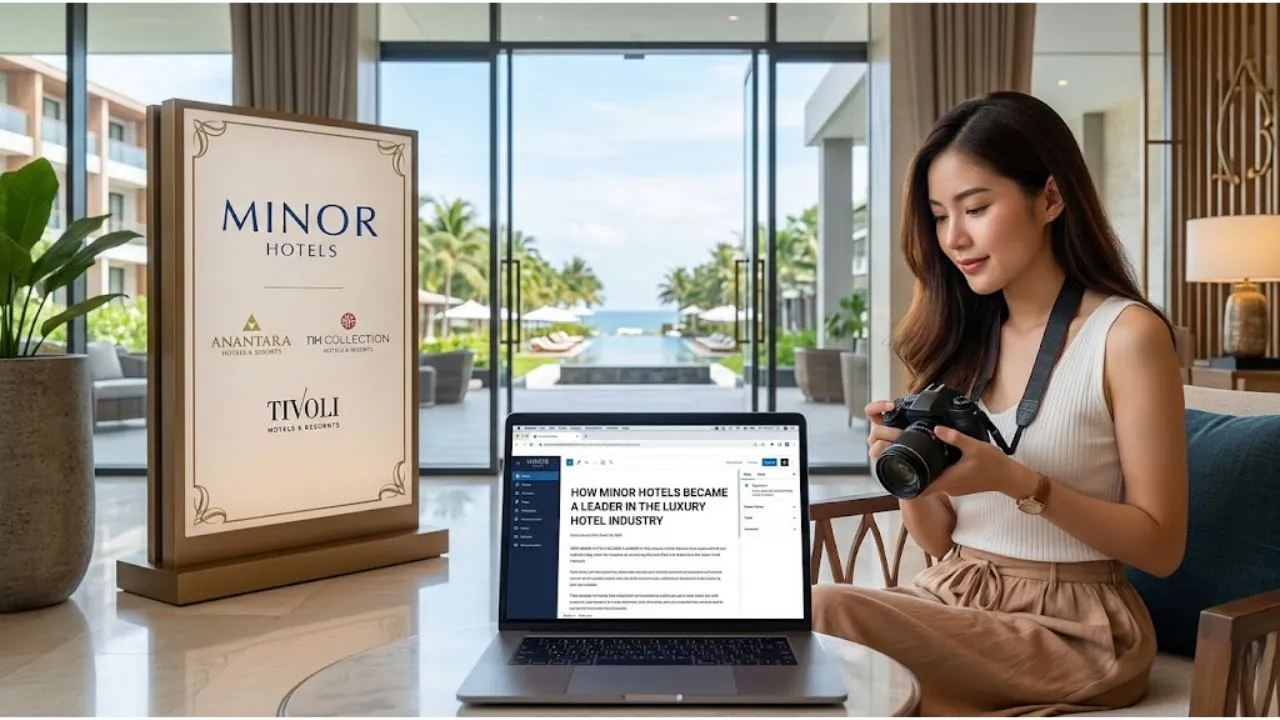
How Minor Hotels (formerly NH Hoteles) Became a Leader in the Luxury Hotel Industry
Explore how Minor Hotels, evolving from NH Hoteles, ascended to luxury leadership through strategic global expansion, brand unification, and innovative properties like Anantara—delivering exceptional guest experiences across 550+ hotels worldwide.
Table of Contents
ToggleIntroduction
If you’ve ever stayed in a sleek European city hotel or a beachfront luxury resort in Southeast Asia, chances are you’ve experienced the evolution of what is now known as Minor Hotels. What began as NH Hoteles, a Spain-based hotel chain founded in 1978, has transformed into a global hospitality powerhouse with a strong foothold in the luxury segment. This transformation didn’t happen overnight—it was the result of decades of strategic decisions, acquisitions, and a relentless focus on guest experience.
NH Hoteles started with a single property in Pamplona and gradually expanded across Spain before moving into international markets. Over time, the company built a reputation for reliable city hotels catering primarily to business travelers. However, the real turning point came when Minor Hotels, a Thailand-based hospitality giant, acquired a majority stake in NH in 2018. This acquisition marked the beginning of a new era—one that would redefine the group’s identity and position it firmly in the luxury hospitality space.
The rebranding to Minor Hotels wasn’t just cosmetic. It represented a deeper integration of global operations, brand strategy, and customer experience. By aligning NH’s strong European presence with Minor’s luxury expertise in Asia and beyond, the company created a hybrid model that blends scale with sophistication.
Global Presence and Brand Portfolio
Today, Minor Hotels (formerly NH Hoteles) operates more than 560 properties across six continents, making it one of the largest hospitality groups in the world. This vast network includes a diverse portfolio of brands that cater to different segments—from mid-scale to ultra-luxury. What’s fascinating is how the company manages to maintain distinct brand identities while leveraging shared resources and global reach.
The portfolio includes well-known names like NH Hotels, NH Collection, nhow, and luxury-focused brands such as Anantara and Tivoli. Each brand serves a specific audience, allowing Minor Hotels to capture a wide range of travelers—from business professionals to luxury seekers. This multi-brand strategy has been a key driver of its success, enabling the company to adapt to changing market demands while maintaining a consistent level of quality.
The Origins of NH Hoteles
Early Growth in Spain
The story of Minor Hotels (formerly NH Hoteles) begins in 1978 with the opening of its first hotel in Pamplona. Over the next decade, the company expanded rapidly across Spain, establishing itself as one of the country’s leading hotel chains. By the mid-1990s, NH was operating dozens of properties and had become synonymous with reliable, high-quality city accommodations.
What set NH apart during its early years was its focus on standardization and service quality. While many hotel chains struggled with consistency, NH invested heavily in staff training and operational efficiency. This commitment paid off, as the brand gained a loyal customer base and strong recognition in the European market.
Expansion Across Europe and Latin America
As NH grew stronger domestically, it began looking beyond Spain. The late 1990s and early 2000s marked a period of aggressive international expansion. The company entered markets in Latin America and Europe through strategic acquisitions and partnerships, quickly increasing its footprint.
One notable milestone was the acquisition of the Dutch chain Krasnapolsky in 2000, which effectively doubled NH’s size. This move not only expanded its geographic reach but also enhanced its brand portfolio. By the early 2000s, NH had established itself as a major player in the global hospitality industry, operating hundreds of hotels across multiple continents.
Strategic Acquisition by Minor Hotels

1. The 2018 Acquisition Deal
The real game-changer came in 2018 when Minor Hotels acquired a significant stake in Minor Hotels (formerly NH Hoteles) . This wasn’t just another merger—it was a strategic move designed to create a global hospitality leader with complementary strengths. Minor brought its expertise in luxury and resort-style hospitality, while NH contributed its strong presence in urban markets across Europe and Latin America.
The acquisition, valued at billions of dollars, allowed Minor Hotels to instantly expand its global footprint and diversify its offerings. It also provided NH with access to new markets, resources, and operational expertise.
2. Integration and Transformation
Post-acquisition, the focus shifted to integration. Minor Hotels (formerly NH Hoteles) didn’t simply absorb NH; instead, it restructured the organization to create a unified yet flexible business model. This included aligning brand strategies, optimizing operations, and investing in property upgrades.
Building a Multi-Brand Luxury Ecosystem
Key Brands Under Minor Hotels
One of the smartest moves Minor Hotels (formerly NH Hoteles) made was building a diverse brand ecosystem. Instead of relying on a single flagship brand, the company developed multiple brands, each targeting a specific market segment.
Anantara and Luxury Positioning
Anantara is Minor’s flagship luxury brand, known for its high-end resorts and unique cultural experiences. Launched in 2001, it has become a cornerstone of the company’s luxury strategy, with properties in Asia, Africa, and the Middle East.
NH Collection and Premium Experiences
NH Collection, on the other hand, represents the premium segment within the former Minor Hotels (formerly NH Hoteles) portfolio. These hotels focus on upscale experiences, combining modern design with personalized service. By elevating selected NH properties into the NH Collection brand, Minor Hotels successfully bridged the gap between mid-scale and luxury offerings.
Global Expansion Strategy
Rapid Growth Across Continents
Minor Hotels’ growth strategy has been nothing short of aggressive. As of 2026, the company operates over 640 properties in more than 60 countries, with plans to expand even further. This rapid expansion is driven by a combination of organic growth and strategic acquisitions.
The company has also been actively entering emerging markets, including India and the Middle East, where demand for luxury hospitality is on the rise. This global approach ensures that Minor Hotels remains competitive in an increasingly crowded market.
Asset-Light Expansion Model
A key element of Minor’s strategy is its shift toward an asset-light model. Instead of owning all its properties, the company focuses on management contracts and partnerships. This approach reduces financial risk while allowing for faster expansion.
By leveraging local partnerships and focusing on brand management, Minor Hotels (formerly NH Hoteles) can scale its operations efficiently without compromising on quality.

Innovation and Customer Experience
Technology Integration
Minor Hotels has embraced this reality by investing in advanced booking systems, data analytics, and customer relationship management tools. These technologies enable the company to deliver personalized experiences and streamline operations.
Personalized Guest Experiences
What truly sets Minor Hotels (formerly NH Hoteles) apart is its focus on personalization. From customized room settings to tailored travel experiences, the company goes the extra mile to ensure guest satisfaction. This emphasis on individuality has become a defining feature of its luxury offerings.
Sustainability and Responsible Tourism
Eco-Friendly Initiatives
Sustainability is no longer optional in the hospitality industry—it’s a necessity. Minor Hotels (formerly NH Hoteles) has made significant strides in this area, implementing eco-friendly practices across its properties. From energy-efficient systems to sustainable sourcing, the company is committed to reducing its environmental impact.
Long-Term Environmental Commitments
Beyond individual initiatives, Minor Hotels has adopted a long-term approach to sustainability. This includes setting measurable goals, engaging stakeholders, and continuously improving its practices. These efforts not only benefit the environment but also enhance the brand’s reputation among eco-conscious travelers.
Financial Growth and Market Performance
Long-Term Environmental Commitments
Minor Hotels has consistently delivered strong financial performance, driven by its diversified portfolio and global presence. The company has achieved record revenues in recent years, reflecting the success of its strategic initiatives.
Strategic Partnerships and Alliances
Partnerships have also played a key role in the company’s growth. Collaborations with travel platforms and other industry players have expanded its reach and enhanced its offerings.
Leadership and Vision
Role of Founder William Heinecke
Every successful business has a visionary leader at its core. For Minor Hotels (formerly NH Hoteles), that leader is William E. Heinecke. His entrepreneurial spirit and strategic vision have been instrumental in shaping the company’s growth.
Corporate Strategy and Governance
Under strong leadership, Minor Hotels has developed a clear corporate strategy focused on growth, innovation, and sustainability. This strategic clarity has been a key factor in its success.
Future Outlook and Growth Plans
Expansion Pipeline
Looking ahead, Minor Hotels (formerly NH Hoteles) shows no signs of slowing down. The company has a robust pipeline of new projects, with plans to add hundreds of properties in the coming years.
Emerging Markets Focus
Emerging markets are a major focus for future growth. With rising incomes and increasing travel demand, regions like Asia and Africa offer significant opportunities for expansion.


Conclusion
Minor Hotels’ journey from a regional European chain to a global luxury leader is a masterclass in strategic growth and innovation. By combining the strengths of NH Hoteles with its own expertise, the company has created a powerful brand that resonates with travelers worldwide. Its focus on quality, personalization, and sustainability ensures that it remains at the forefront of the hospitality industry.
Frequently Asked Question
A. Minor Hotels is known for its diverse portfolio of hotel brands, ranging from mid-scale to luxury, and its global presence across six continents.
A. Minor Hotels acquired a majority stake in NH Hotel Group in 2018, marking a significant milestone in its expansion.
A. As of 2026, Minor Hotels operates over 640 properties worldwide.
A. Key luxury brands include Anantara, Tivoli, and NH Collection.
A. The company focuses on global expansion, an asset-light model, and a diversified brand portfolio.
Related Post