

Why Ledger US Is Becoming the Trusted Choice for Crypto Security
Ledger US is rapidly becoming the trusted choice for crypto security with its advanced hardware wallets and robust self-custody solutions. This blog post dives into why Ledger US leads the market through secure element chips, clear-signing tech, and protection for 20%+ of global crypto assets.
Table of Contents
ToggleIntroduction
The crypto industry has matured rapidly, but cybercrime has evolved just as fast. A few years ago, many investors believed keeping funds on exchanges was safe enough. Today, that assumption looks dangerously outdated. Major hacks, phishing attacks, and exchange collapses have shown that convenience often comes at the cost of control. If a centralized platform gets compromised, users can lose access to their funds overnight. That harsh reality has pushed millions of crypto holders toward self-custody solutions like Ledger.
Online wallets connected to the internet are especially vulnerable because they create multiple attack points for hackers. Malware, browser exploits, phishing emails, and fake apps can all expose private keys. Imagine carrying your life savings in a transparent backpack through a crowded city. That’s essentially how many software wallets operate when they stay online all the time. Hardware wallets, on the other hand, create a physical barrier between the internet and your private keys. This separation dramatically reduces risk.
Recent security concerns have also made consumers more cautious about fake crypto devices and scams. Reports in 2026 highlighted how counterfeit Ledger devices were being sold through unofficial marketplaces, attempting to steal users’ seed phrases. Ledger’s genuine hardware verification system successfully identified these fake devices before they could compromise users. That incident reinforced an important lesson for crypto holders: security is no longer optional. It’s the foundation of responsible investing.
At the same time, governments and regulators in the United States are paying closer attention to crypto ownership and compliance. Investors are realizing that self-custody solutions provide not only security but also independence. Ledger has positioned itself at the center of this movement, offering a secure bridge between traditional financial caution and the open possibilities of decentralized finance. As crypto adoption grows, the demand for trusted security solutions is only becoming stronger.
What Makes Ledger Different
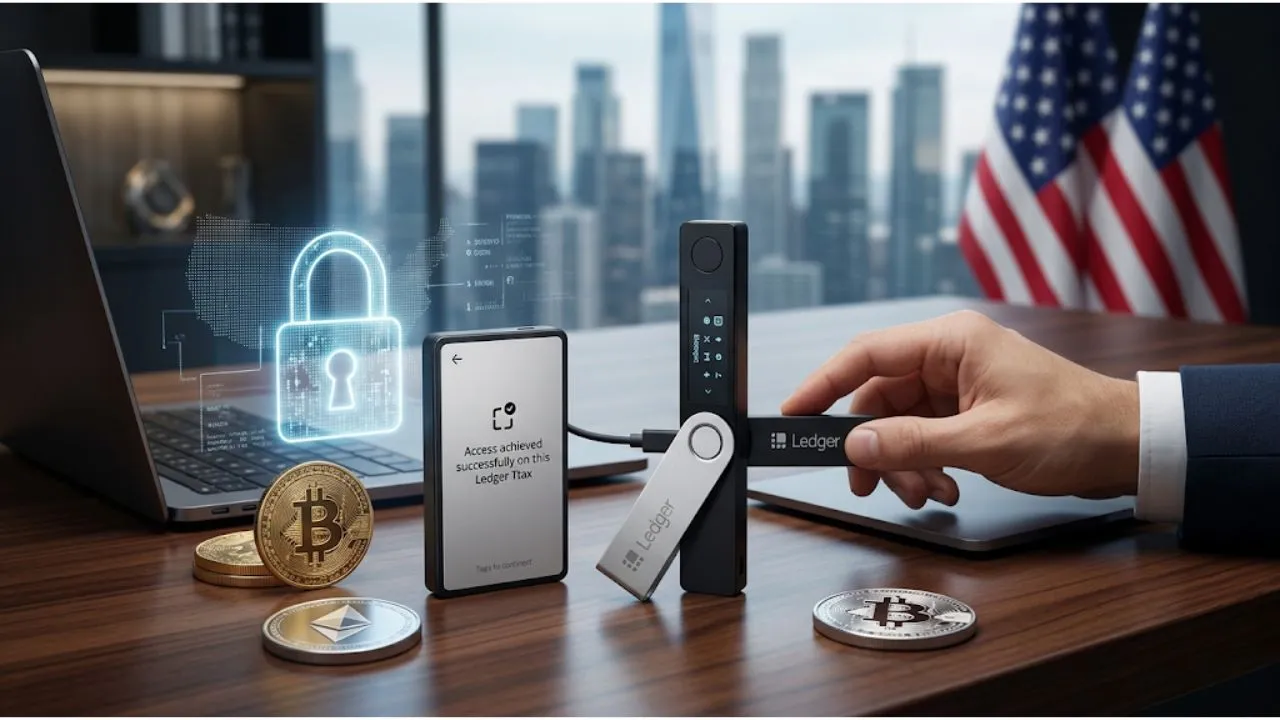
Ledger’s biggest advantage lies in its architecture. Unlike software wallets that depend heavily on internet-connected devices, Ledger US uses specialized hardware to isolate private keys from online threats. This approach turns the wallet into a digital fortress. Even if a connected computer becomes infected with malware, the private keys stored inside the Ledger device remain protected because they never leave the hardware environment.
One of the standout technologies behind Ledger devices is the Secure Element chip. These chips are similar to the technology used in passports and banking cards. They are specifically designed to resist tampering and unauthorized access. According to Ledger’s recent security documentation, the company’s devices combine Secure Element technology with secure operating systems, PIN protection, and continuous security testing to create multiple defensive layers. This layered approach matters because modern cyberattacks rarely rely on a single weakness. Attackers look for chains of vulnerabilities, and Ledger’s system aims to break those chains.
Another major differentiator is Ledger’s clear-signing technology. In simple terms, this feature allows users to verify transaction details directly on the device screen before approving them. That sounds small, but it’s incredibly important. Many phishing attacks trick users into signing malicious transactions without fully understanding what they are approving. Clear signing acts like reading a legal contract before adding your signature. It provides transparency and reduces blind trust.
Ledger has also evolved beyond simple Bitcoin storage. Modern crypto users interact with NFTs, decentralized finance platforms, staking systems, and multiple blockchains. Ledger’s ecosystem now supports thousands of digital assets across various networks. The introduction of Ledger Wallet 4.0 further expanded this functionality by integrating more than 15 swap providers while keeping private keys isolated inside the Secure Element chip. This blend of usability and security is one reason Ledger continues to gain traction in the US market.
Ledger’s Reputation in the US Market
Reputation in crypto is earned the hard way. Users trust brands that survive market crashes, resist hacks, and continue improving security year after year. Ledger US has managed to build that reputation through consistency and innovation. With more than 8 million hardware wallets sold worldwide and protection for approximately 20% of global crypto value, Ledger has become one of the most recognized names in digital asset security.
In the United States, consumer trust is growing because people increasingly understand the importance of self-custody. The phrase “not your keys, not your crypto” has become almost like a survival mantra in the industry. Investors who once relied entirely on exchanges are now moving toward personal ownership of assets. Ledger fits perfectly into this shift because it combines accessibility with professional-grade protection.
Institutional interest has also boosted Ledger’s credibility. Large investors and enterprises require advanced security frameworks, compliance support, and scalable asset management solutions. Ledger Enterprise has expanded its offerings to address these needs, moving beyond simple wallet storage into broader institutional infrastructure. This institutional presence sends a strong signal to retail investors. When major organizations trust a security provider, individual users often feel more confident doing the same.
Community discussions online also reveal an interesting trend. Many crypto users openly debate the best wallet options, but Ledger repeatedly appears in conversations about reliability and long-term protection. Reddit users discussing fake Ledger devices often emphasize that the company’s security checks successfully identified counterfeit products before damage occurred. That kind of real-world validation carries enormous weight in crypto communities, where skepticism is high and trust is earned through experience rather than marketing slogans.
Key Features of Ledger US
1. Why Beginners and Experts Both Prefer Ledger
Crypto security tools often struggle with one big problem: they are either too complicated for beginners or too limited for advanced users. Ledger US has gained traction because it tries to bridge both worlds. New investors appreciate the guided setup process, educational resources, and intuitive mobile integration. Experienced traders value advanced features like staking, DeFi compatibility, and multi-account management.
For beginners, Ledger removes some of the intimidation factor associated with self-custody. The setup process is designed to walk users through key concepts like recovery phrases and device verification. Instead of feeling like they’re entering a hacker movie, users get a smoother onboarding experience that still emphasizes strong security practices. This matters because many people entering crypto today are not tech experts. They simply want a safe and reliable way to store digital assets.
Key Features Driving Ledger’s Popularity
Ledger’s success is not based on one feature alone. It’s the combination of security, usability, and ecosystem expansion that makes the platform attractive to both beginners and experienced investors. One of the most talked-about features is multichain compatibility. Crypto users today rarely hold just Bitcoin. They interact with Ethereum, Solana, Polygon, NFTs, DeFi platforms, and staking services. Ledger’s support for multiple chains means users can manage diverse portfolios from one secure environment.
The launch of Ledger Wallet 4.0 marked another major milestone. This update transformed Ledger US from a simple storage tool into a broader crypto management platform. Users can now access swap services, staking tools, portfolio tracking, and decentralized finance integrations without sacrificing security. According to Ledger, Wallet 4.0 integrates over 15 swap providers while maintaining offline key protection. That balance between convenience and security is incredibly important because many crypto users previously had to choose between the two.
The following table highlights some of the core features driving Ledger’s popularity:
Feature | Benefit |
Secure Element Chip | Protects private keys from physical and digital attacks |
Clear Signing | Prevents blind transaction approvals |
Multi-Chain Support | Manages thousands of crypto assets in one place |
Offline Storage | Reduces exposure to hackers |
Ledger Wallet 4.0 | Integrates DeFi, swaps, and staking securely |
PIN and Recovery Systems | Adds extra protection layers |
Enterprise Solutions | Supports institutional investors and organizations |
Another reason people gravitate toward Ledger is the company’s focus on education and transparency. Security tools are only effective if users understand how to use them properly. Ledger invests heavily in educational resources about phishing scams, seed phrase protection, and self-custody best practices. Community awareness campaigns remind users never to share recovery phrases and to purchase devices only from official sources. These educational efforts strengthen the overall ecosystem because informed users are less likely to fall victim to scams.
Comparing Ledger With Other Wallet Providers
Choosing a crypto wallet is a bit like choosing a safe for your home. Some people only need a small Ledger US Ledger to software wallets, the difference becomes obvious. Software wallets remain connected to internet-enabled devices, meaning they are constantly exposed to malware, phishing attempts, and browser vulnerabilities. Ledger devices isolate private keys from those online environments. Even if a hacker compromises your laptop, the hardware wallet creates a separate layer that protects the most important data.
Ledger is also frequently compared with Trezor, another well-known hardware wallet provider. Recent comparisons highlighted differences in security architecture. Ledger emphasizes Secure Element chips and secure screens, while Trezor focuses heavily on open-source transparency. Ledger argues that its secure-screen model and clear-signing capabilities provide stronger real-world protection against phishing and blind-signing attacks.
Here’s a simplified comparison:
Wallet Type | Security Level | Internet Exposure | Best For |
Software Wallet | Moderate | High | Everyday convenience |
Exchange Wallet | Low to Moderate | Very High | Frequent traders |
Ledger Hardware Wallet | High | Low | Long-term secure storage |
Trezor Hardware Wallet | High | Low | Security-conscious users |
User experience also matters. Ledger has worked aggressively to improve onboarding and mobile compatibility, making the platform more accessible to beginners. The introduction of touchscreen devices, portfolio management tools, and easier app integration has helped Ledger appeal to a wider audience. Crypto security no longer feels reserved for tech experts alone. Ledger is helping make secure self-custody more mainstream.

How Ledger Protects Against Modern Threats
The nature of crypto threats is changing rapidly. Years ago, hackers mainly targeted centralized exchanges. Today, attacks often focus on individuals through phishing scams, fake websites, malicious smart contracts, and social engineering. Ledger US evolving security strategy reflects this changing landscape.
The Future of Ledger US
Ledger’s future appears closely tied to the future of self-custody itself. As cryptocurrency adoption expands, more users are likely to move away from centralized exchanges and toward personal asset control. This shift benefits companies that specialize in secure ownership infrastructure, and Ledger US is positioning itself as a leader in that movement.
The company’s AI security roadmap signals that Ledger sees security as more than just storing coins offline. It views digital identity, transaction verification, and human approval systems as the next frontier. According to recent announcements, Ledger plans to roll out hardware-anchored identity systems, policy-based AI controls, and “Proof of Human” verification technologies throughout 2026. These initiatives suggest that Ledger wants to become a foundational layer for digital trust in an increasingly automated world.
Another important trend is institutional adoption. More businesses and investment firms are entering the crypto space, and they require enterprise-grade security solutions. Ledger Enterprise’s evolving infrastructure could play a significant role in serving that demand. When institutions adopt secure custody systems, retail investors often follow their lead because institutional participation signals confidence and stability.
Crypto itself is also evolving beyond simple trading. Digital assets now connect to gaming, identity systems, decentralized applications, tokenized investments, and AI-driven services. Security providers capable of adapting to these changes will likely dominate the market. Ledger’s strategy suggests it wants to be more than a hardware wallet company. It wants to become the trusted security layer for the broader digital economy.

Conclusion
Ledger US is becoming the trusted choice for crypto security because it addresses the biggest fear in the crypto industry: losing control of your assets. Through hardware-based protection, Secure Element chips, clear-signing technology, and expanding ecosystem support, Ledger provides a practical balance between usability and safety. As cyber threats become more advanced, users are increasingly looking for solutions that place ownership back into their own hands.
The company’s recent innovations show that Ledger is not standing still. Wallet 4.0, multichain integrations, enterprise solutions, and AI-focused security initiatives all point toward a future where digital ownership requires stronger protection than ever before. Whether you’re a beginner buying your first Bitcoin or an experienced investor managing a diversified portfolio, Ledger offers a security-first approach designed for the realities of modern crypto investing.
Trust in crypto is difficult to earn. Yet Ledger continues to build that trust through transparency, evolving security systems, and a long-term commitment to self-custody. In a digital world full of uncertainty, that combination has become incredibly valuable.
Frequently Asked Question
A. Ledger US refers to Ledger’s products and services available to customers in the United States, including hardware wallets, crypto management software, and enterprise security solutions.
A. Ledger keeps private keys offline inside secure hardware devices, reducing exposure to online threats like malware, phishing attacks, and hacking attempts.
A. Clear signing allows users to verify transaction details directly on the Ledger device screen before approving them, helping prevent malicious or fraudulent transactions.
A. Yes. Ledger supports thousands of cryptocurrencies and digital assets across multiple blockchain networks, including Bitcoin, Ethereum, Solana, and many others.
A. Ledger devices include authenticity verification systems that can identify counterfeit hardware. The company also educates users about phishing scams and seed phrase protection.
Related Post